Taming tubercule bacilli – The “prevention of the emergence of symptoms” of tuberculosis in modern Japan
I have been studying opinions regarding the cause of tuberculosis in modern Japan and how they have changed. Looking back at the history of the “etiologies” of tuberculosis discovered or created in various domains can assist us in thinking about how crises that threaten the survival of people living today are interpreted and shared.
Tuberculosis is known as the communicable disease that killed the largest number of people in modern Japan. However, it is said that only a very limited portion of those infected with the bacilli that cause the disease develop symptoms, and in most of those infected these bacilli remain dormant within their bodies for the rest of their lives. This understanding of the emergence of symptoms of tuberculosis emerged at the start of the 20th century with the application of the tuberculin reaction. During the same period, in the field of Western medicine it came to be believed that the great majority of the population of “civilized countries” were already infected with tuberculosis.
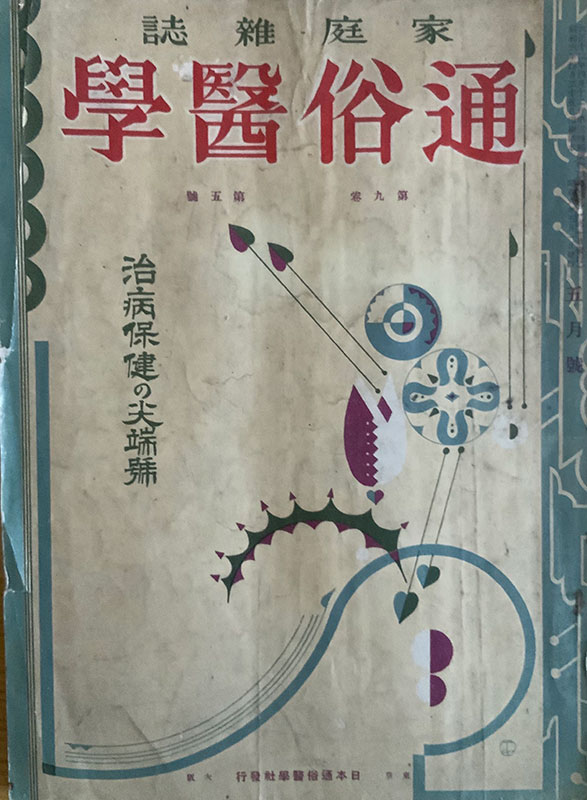
The idea that most people were already infected with tuberculosis was also accepted in Japan, and “prevention of the emergence of symptoms” that would control the tubercule bacilli within the body was pursued separately from the prevention of infection. In the pre-war period, along with the dissemination of writings on tuberculosis aimed at a general readership, knowledge concerning the prevention of the emergence of symptoms of tuberculosis was also shared among the general public. Specifically, it became widely known that rather than driving the invading germs out of the body, it was necessary to “tame” the tubercule bacilli and use them as “immunity” against the disease.
The main idea behind preventing symptoms was the understanding of tubercule bacilli as “things” that could be controlled. To what extent were the tubercule bacilli in the body thought to be controllable? Doctors and medical researchers told the general public that preventing symptoms meant preserving the “immunity” obtained from infection with tubercule bacilli by avoiding “fatigue” of the mind and body. Examples of things that could cause fatigue included excessive working or studying, heavy drinking, excessive sexual intercourse, and anxiety or depression caused by a sensitive disposition. It was claimed that an individual’s “excessive” activities or thoughts led to fatigue of their mind or body and a failure to tame tubercule bacilli; in other words, these actions were the cause of the emergence of symptoms.
The taming of the tubercule bacilli inside the body by paying close attention to the state of your mind and body and regulating your thoughts and actions was advocated as a necessary condition for survival in a modern society in which avoiding infection was considered impossible. In this sense, the prevention of the emergence of symptoms of tuberculosis was positioned as a practice undertaken in order to be or become a “modern person.” The idea of preventing symptoms continued to be emphasized in the wartime period when the “first infection emergence of symptoms theory,” which held that symptoms had a high probability of emerging within one or two years of becoming infected with tuberculosis, was predominant.
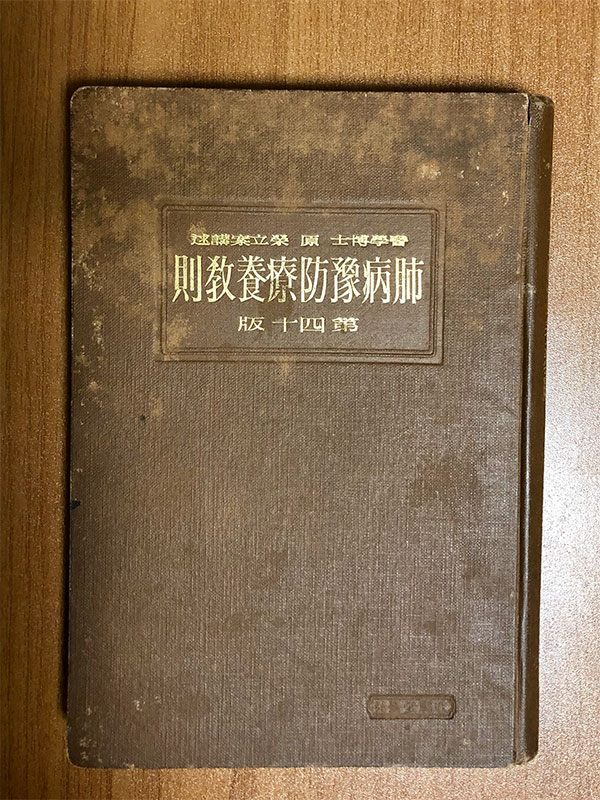
It is worth noting that this kind of discussion surrounding the prevention of the emergence of symptoms of tuberculosis arose out of tubercule bacilli being seen as a kind of bomb. For example, Hara Sakae (1879-1942), a doctor and medical researcher who became famous as a tuberculosis educator, wrote as follows.
When we human beings are born into this world, we are exposed to the great enemy that is tubercule bacilli. Once this substance invades our bodies, throughout the rest of our lives we face the risk of dormant tubercule bacilli exploding from inside us or being attacked by new bacilli from the outside. Taking a comprehensive view, the life of each person, from start to finish, is lived at the front lines of a battle against the powerful enemy that is tubercule bacilli.
The “prevention of the emergence of symptoms” of tuberculosis in modern Japan, in addition to concrete measures to avoid illness, can also be described as the attitude of trying to control yourself and behave as though you had a bomb implanted in your body – as though you were a “human bomb.” If so, then what is portrayed through the history of tuberculosis in modern Japan is the history of the control of human beings.
I am currently pursuing my research with a focus on the discourse related to the emergence of tuberculosis symptoms and the “constitution” and mental hygiene of individual people. As I was right in the middle of this research when the Covid-19 pandemic spread throughout the world. Because of Covid-19, there has been a search for a new understanding of epidemics that goes beyond a simple schema of “human beings vs. germs.” I think looking back at the past and offering a new depiction of the complexity of meaning surrounding epidemics from the standpoint of the humanities is an important task to be undertaken.
Asako Shiono
(Student at Ritsumeikan University’s Graduate School of Core Ethics and Frontier Sciences/Japan Society for the Promotion of Science Research Fellow)